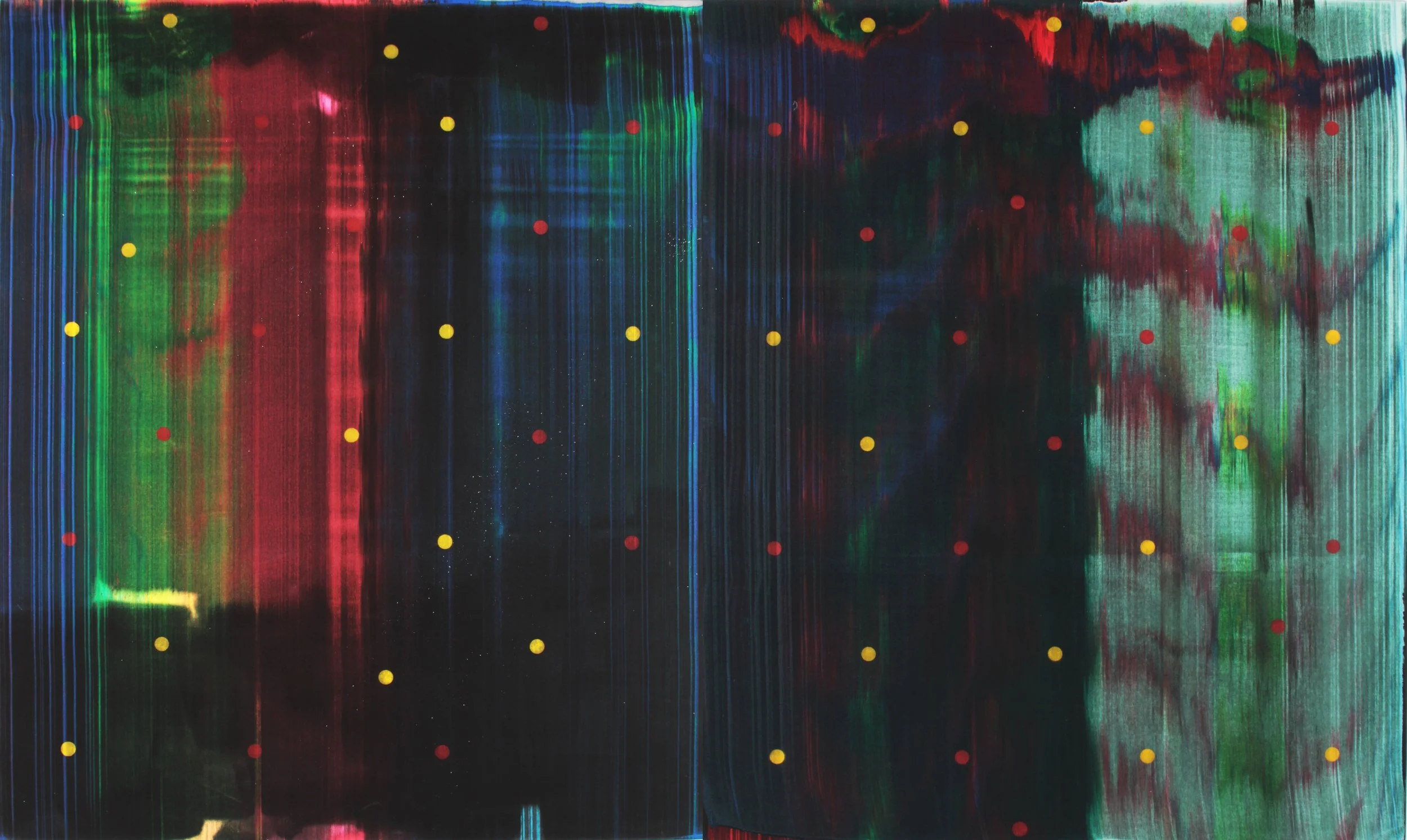
SURFACE TENSION: Focus Los Angeles - Opening Saturday 5-8PM

Surface Tension: Focus Los Angeles Opening February 28 5-8PM

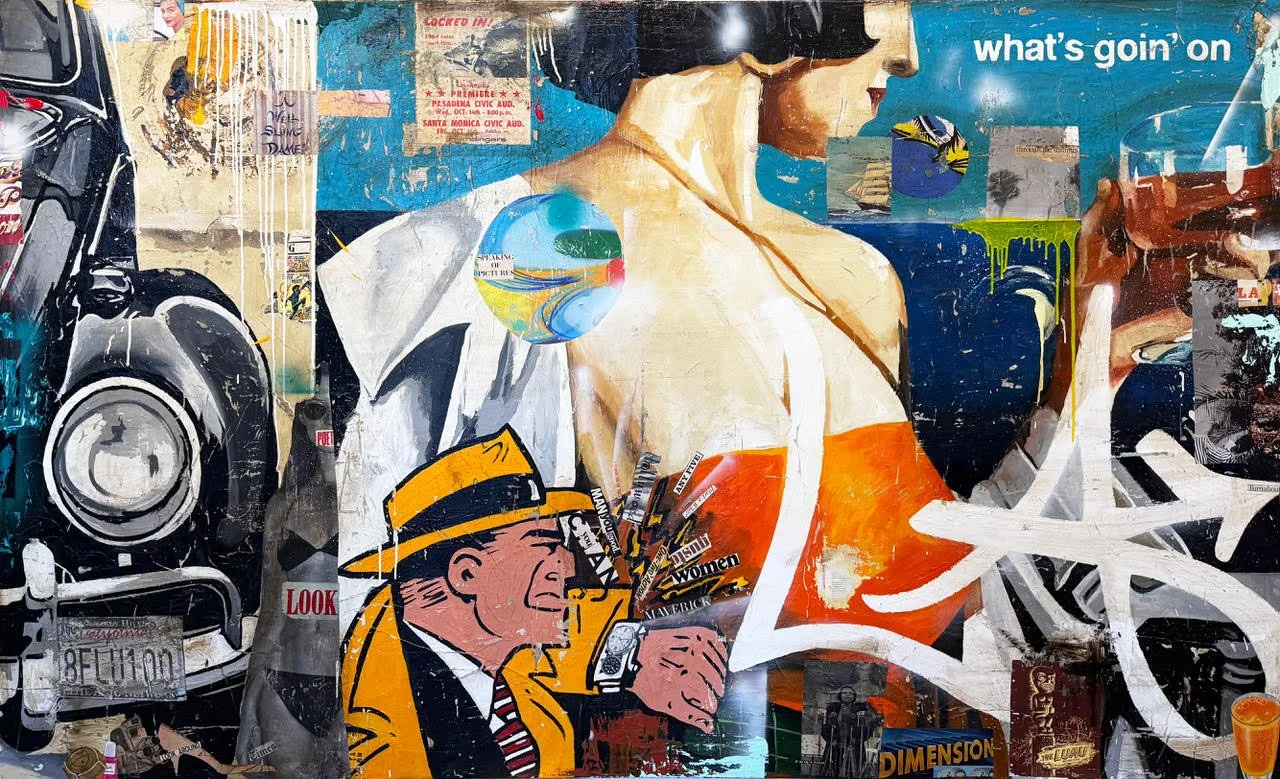
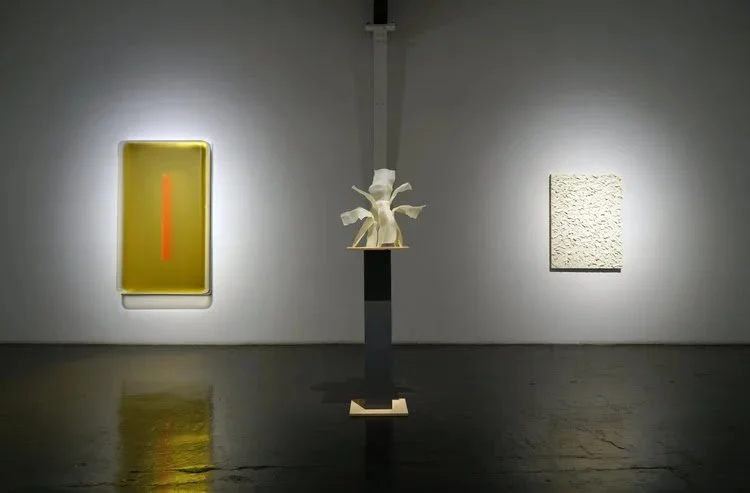
Santa Monica, CA  - William Turner Gallery is pleased to present Surface Tension: Focus Los Angeles, a major group exhibition of West Coast artists, opening February 28, 5-8 PM, and on view through April 11, 2026.

Surface Tension: Focus Los Angeles explores surface as an active site of meaning, sensation, and perception. The exhibition foregrounds how contemporary practices use texture, layering, and materiality to shape visual and sensory experience. Bridging painting, sculpture, and works at their intersection, the featured artists employ materials ranging from pearlescent and pigmented acrylics to urethane, resin, industrial finishes, and etched line-work.

Together, the works reveal surface as a dynamic interface that captures light, depth, and movement while inviting sustained, close looking. Through extended material experimentation and technical refinement, each artist demonstrates a deep attunement to their chosen medium, using surface to generate tension between control and intuition, precision and discovery, all aimed at igniting a spark of heightened perception.

Featured artists: Dawn Arrowsmith, Casper Brindle, Alex Couwenberg, Shingo Francis, Frank Gehry, Jimi Gleason, James Hayward, Eric Johnson, Peter Lodato, Andy Moses, Ed Moses, Roland Reiss, Scot Heywood and Jennifer Wolf.

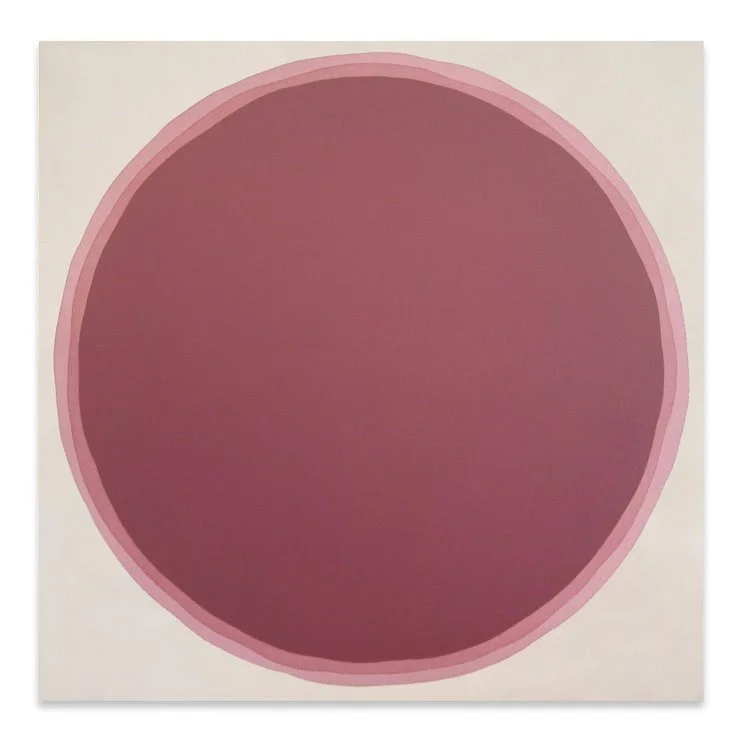
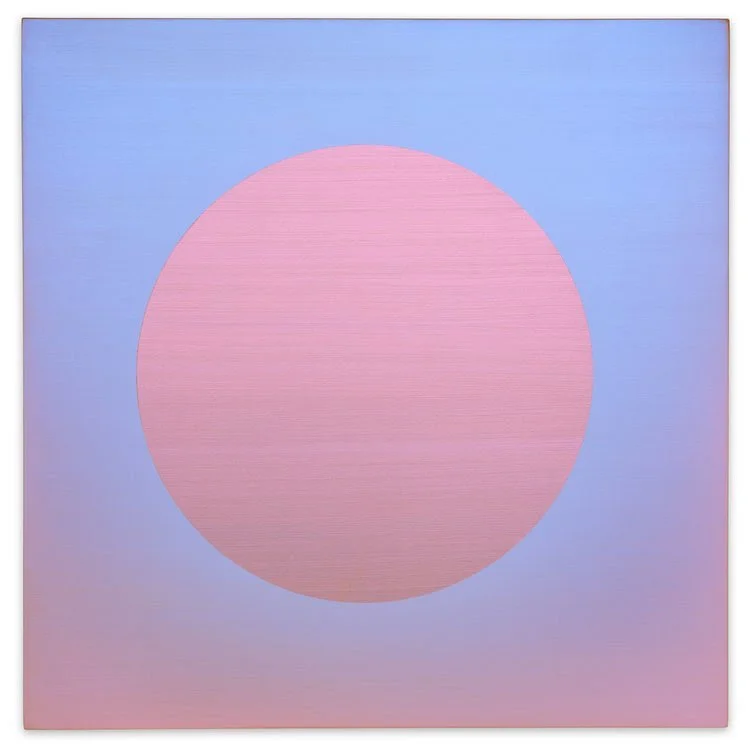
Dawn Arrowsmith, Plum Sienna, acrylic on canvas, 56" x 56"

Dawn Arrowsmith produces meditative, color-driven works informed by Buddhist philosophy and extensive travel. Her paintings appear minimal at first glance, gradually revealing optical shimmer and depth through prolonged viewing.

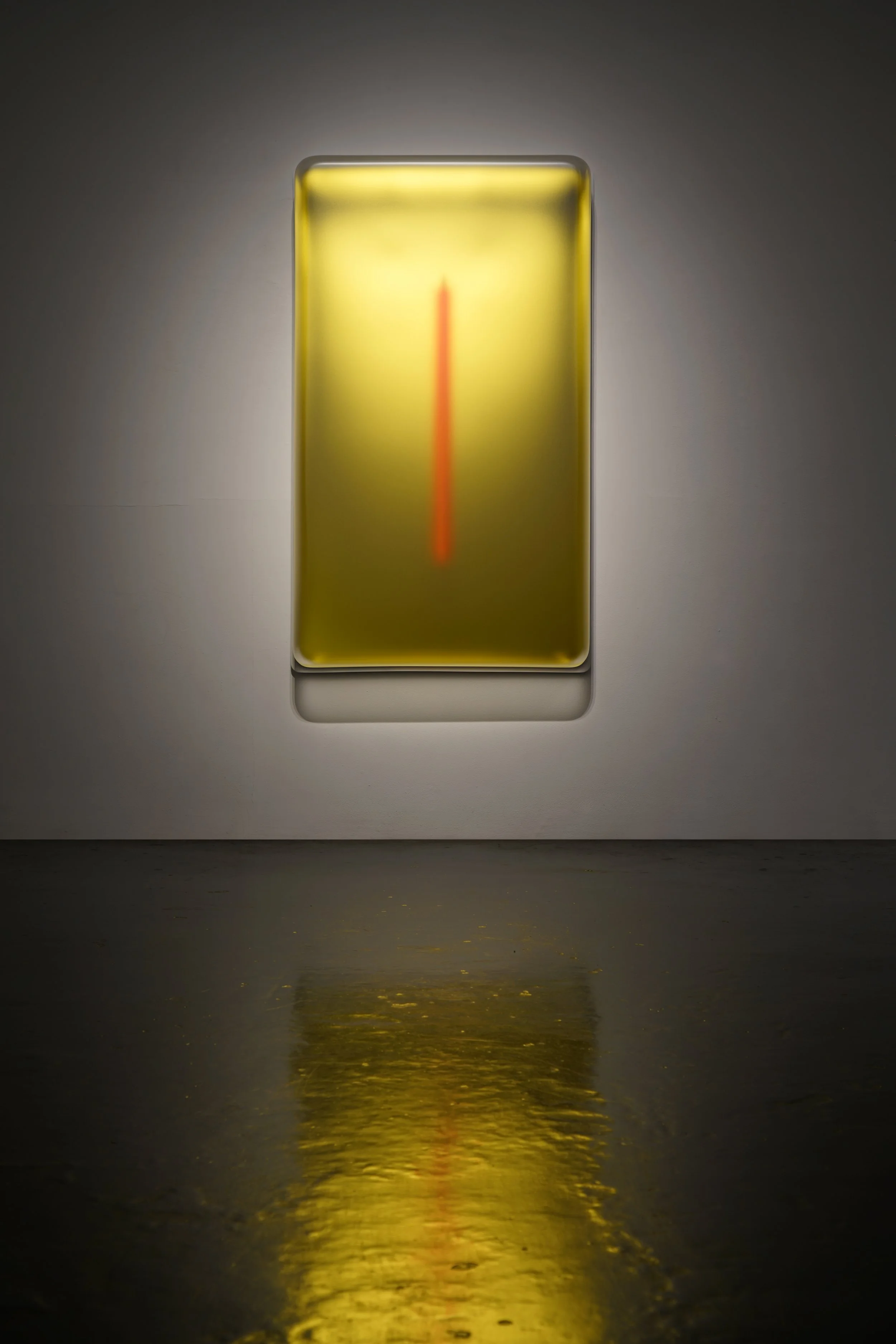
Casper Brindle, LIGHT GLYPH (YELLOW), 2026, VACUUMED FORMED PIGMENTED ACRYLIC

Casper Brindle creates paintings and sculptures that engage light through reflective, industrial materials including resin and automotive paint. His work shifts with the viewer’s movement, emphasizing perception and atmospheric depth.

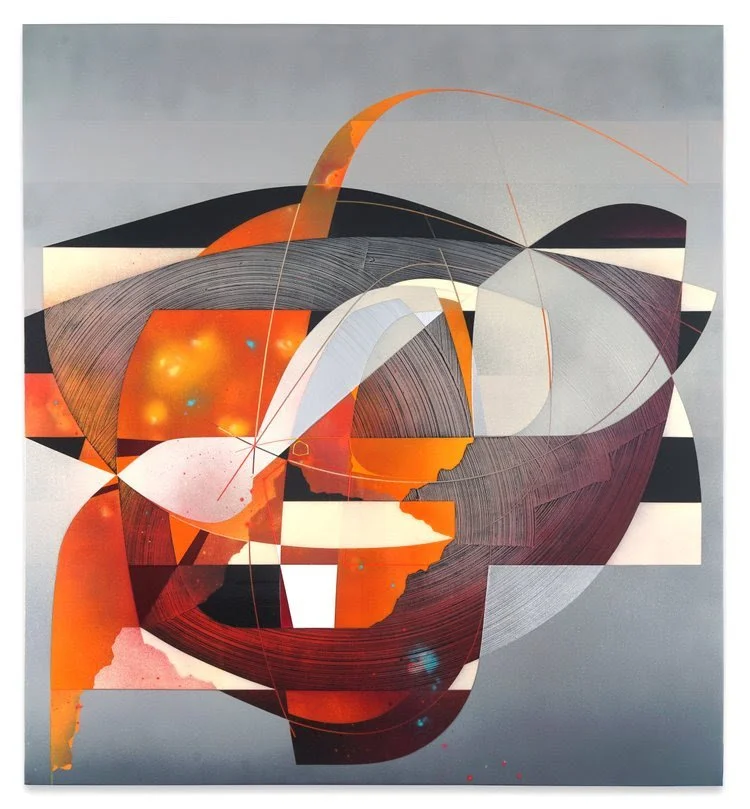
Alex Couwenberg,  Stranded (I’m), 2025, Acrylic & spray on canvas, 72” x 66”

Alex Couwenberg is a Southern California–based painter whose work draws from Los Angeles modernism and mid-century design. His sleek, glossy paintings are influenced by Hard-edge abstraction and Finish Fetish aesthetics.

Shingo Francis, Mystery to Explore, 2023, Oil on canvas, 24" x 24"

Shingo Francis creates paintings that shimmer and shift through the use of interference pigments that refract light. Influenced by Southern California’s Light and Space movement and his immersion in LA’s art scene, Francis’s works change with viewer position and lighting conditions.

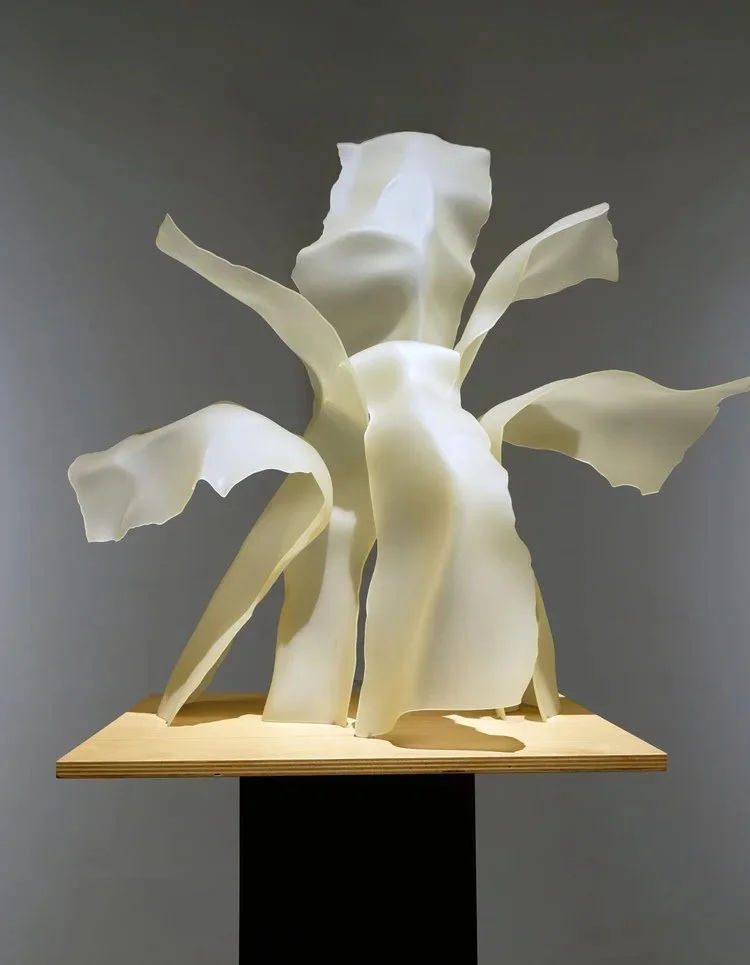
Frank Gehry, Memory of Sophie Calle’s Flower, 2012, Cast urethane with wood pedestal,
24” x 23” x 18”

Frank Gehry (1929–2025) Known for his de-constructivist approach and creative use of materials, Gehry’s buildings share an artist’s sensibility, where surface texture and dynamic form activate his structures. The undulating, curvilinear forms of his architecture are often echoed in the sculptures and drawings he created throughout his long career.

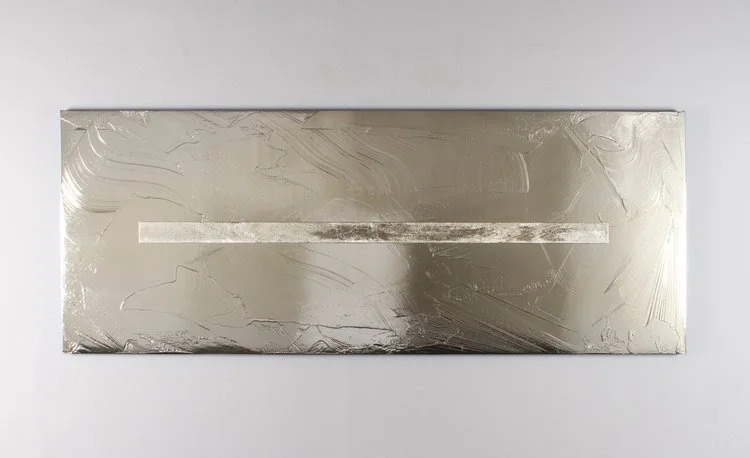
Jimi Gleason, Untitled, 2018, Silver nitrate & acrylic on canvas, 48” x 126”

Jimi Gleason explores the reflective and perceptual properties of light, using materials such as silver nitrate and pearlescent paint. His mirror-like surfaces shift with the viewer and environment, creating interactive, meditative experiences.

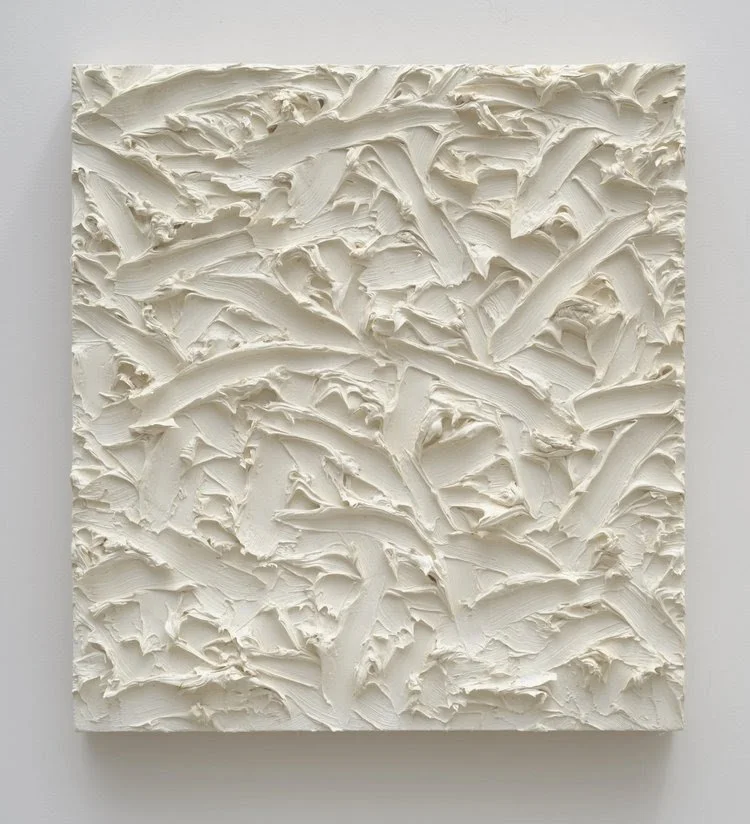
James Hayward, Abstract #247, 2023, Oil on canvas, 25” x 23”

James Hayward paints monochromes that celebrate the nuances of color and sensuality of texture. The surfaces are lavish cake icings of paint, almost daring the viewer to touch, lick, engage. Deft strokes of the artist’s hand remain as deep fissures in the surface, further exciting the senses to embrace their physicality.

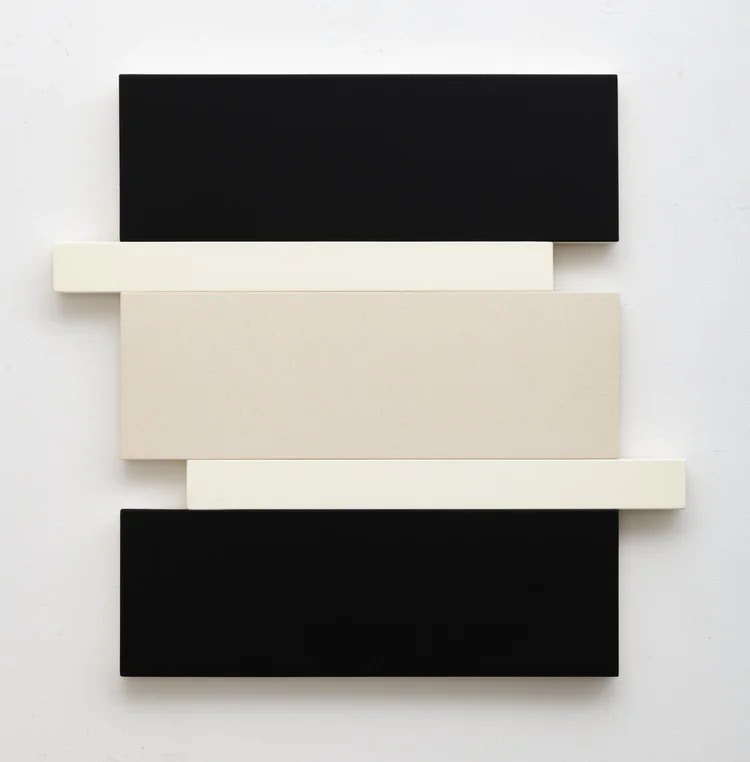
Scot Heywood, Stack - Black, White, Canvas, 2016, Acrylic on canvas, 70” x 74”

Scot Heywood’s works are indebted to the origins of geometric abstraction. Ranging in scale from intimate to encompassing, his paintings consist of multiple, colored canvases, connected in staggered, patchwork patterns, intentionally misaligned to create delightfully disruptive, staccato visual rhythms.

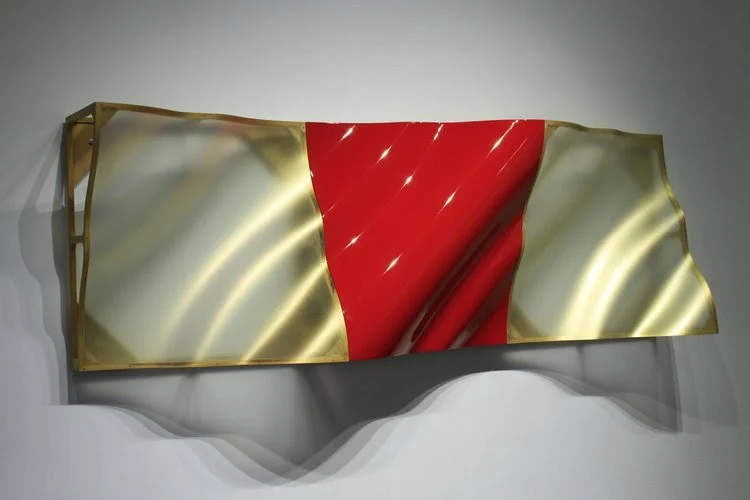
Eric Johnson, Altamira (Triptych), 1992, Composite, wood, & enamel, 40" x 120" x 18"

Eric Johnson creates resin-based sculptures that merge color, form, and structure, drawing from Southern California’s surf, automotive, and aerospace cultures. His works balance polished surfaces with exposed internal architectures, revealing both depth and construction.

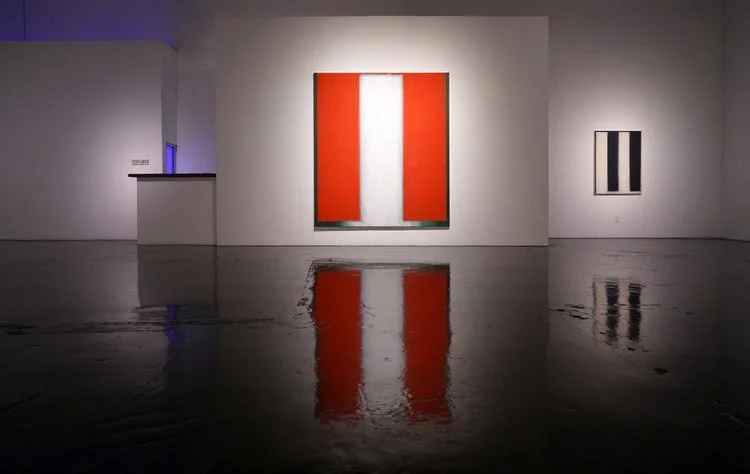
Peter Lodato, Vermilion Green & White, 2023, oil on canvas, 96" x 84"

Peter Lodato (1946–2025) emerged from the Light and Space movement, initially creating immersive light installations before translating perceptual effects into painting. His geometric compositions subtly dissolve through layered brushwork and color vibration, challenging visual certainty.

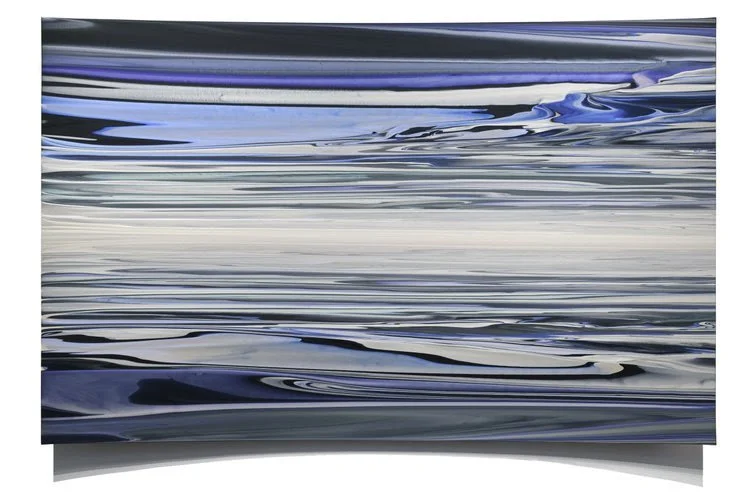
Andy Moses, Geomorphology 1608, 2023, Acrylic on canvas over concave wood panel,
57” x 90” x 5.5”

Andy Moses is known for his intensive exploration of paint’s alchemical properties. Through complex pouring and mixing processes, his luminous abstractions evoke natural forces rather than representational imagery.

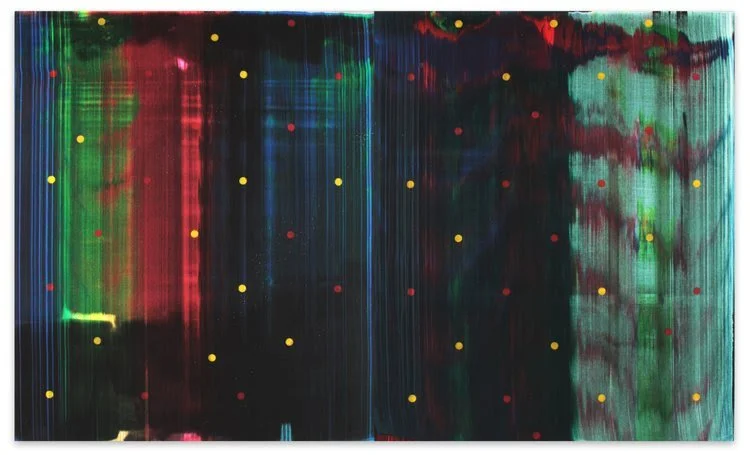
Ed Moses, Sato, 2008, acrylic on canvas, 72” x 120”

Ed Moses (1926–2018) was a pivotal figure in postwar Los Angeles abstraction and a core member of the Ferus Gallery circle. Known for his experimental, process-driven approach, Moses continuously redefined painting over a career spanning six decades.

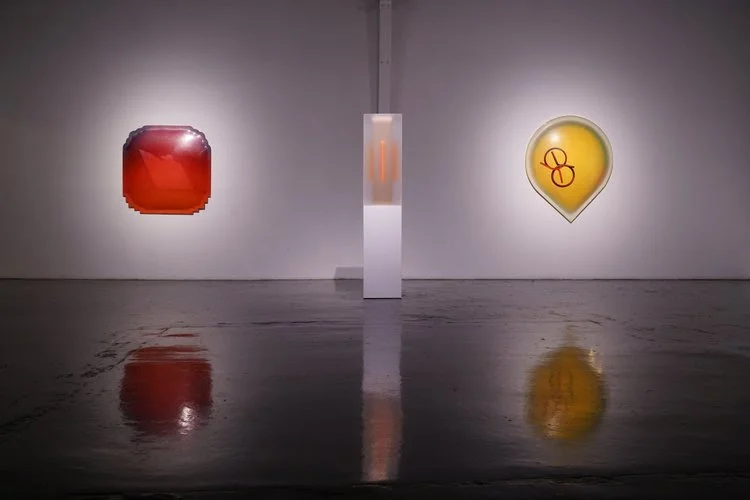
Left: Roland Reiss, Mirage, 1968, Fiberglass & resin, 46" x 46" x 6
Right: Roland Reiss, Conundrum, 1968, Acrylic, fiberglass, resin, & gelatin coat, 67" x 46.5" x 6"

Roland Reiss (1929-2020) played a significant role in the evolution of postwar West Coast abstraction. Moving from Abstract Expressionism through resin experimentation and conceptual inquiry, Reiss has consistently explored painting as an energetic, interactive field.

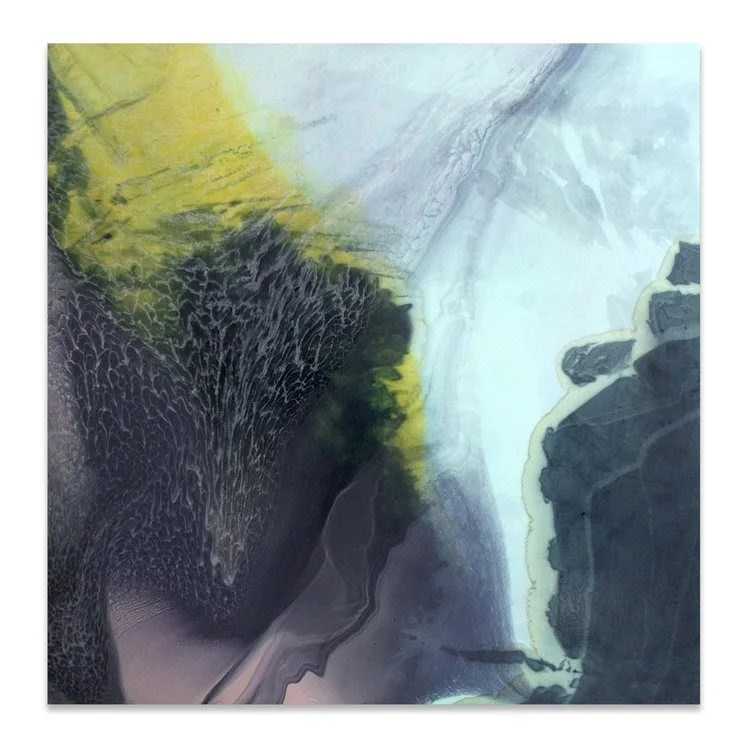
Jennifer Wolf, Dye Painting #2, 2021, Natural dyes and mineral pigments on silk with canvas on wood panel, 48” x 48”

Jennifer Wolf uses natural dyes and hand-ground pigments sourced from global expeditions to create subtly shimmering, immersive paintings. Her work explores the elemental qualities of color and surface through fluid, layered compositions that evoke natural environments.

OPENING THIS SATURDAY 4-7PM - WILLIAM TURNER GALLERY

CURTIS RIPLEY
CHROMESTHESIA
Opening Reception: Saturday February 19, 4-7pm

William Turner Gallery is pleased to present Curtis Ripley’s most recent investigations into abstraction Chromesthesia. The exhibit is on view February 19, through April 16, 2022.

How does one visually qualify the sound of color, or conversely, the color of sound? Chromesthesia is a neurological phenomenon experienced in the synthesis of binary sensorial modalities (synesthesia) where sound and color converge into a joint perception. In his painterly choreographies, Ripley interprets this ephemeral phenomena where light dances and shadows play in concert, whilst color is given musical agency. He often cites music as a departure point in his process, evidenced in the working titles. The canvases are gestural expressions of events conducted into orchestrations of lyrical harmony as the eye traverses through fields of color.

Activating the canvas’ surface through visceral gesticulations, he employs a vast repertoire of painterly techniques to amplify the dynamism of the viscous medium. In the tradition of the Old Master’s, veil’s of glazed oils are washed upon washes whilst opaque pigments dissolve into gauzy vapors, simultaneously revealing and obfuscating. One’s gaze is drawn in-and-out as a lens’ aperture renders depth-of-field. The transient nature of the corporeal world is described through lingering films of atmospheric haze interlacing with solid volumes rendered in highly saturated pigments; this tension is achieved through varied processes of application and deletion. Vibrations are deftly strung from his palette as colors rhapsodize in polychrome hums and variegated tremors. Expressionistic drips dapple indiscriminately here, automatic splatters chance to rupture spontaneously there… calligraphic strokes animatedly reach to articulate into attenuated arabesques. Rhythmically the paintings pulse into sublimely syncopated interventions of color, light, space and motion.

Boundless forms are liberated into ambiguous spatial fields through intuitive placement. Improvisatory bits of miscellaneous paraphernalia - such as scraps of sheet music - are occasionally embedded in the paintings, imbuing a whimsical element of surprise. Void of academic hierarchies, he refrains from privileging space, favoring the spontaneity of improvisational arrangements. Resistant to strict interpretation, the paintings are nonobjective distillations informed by Ripley’s relationship with his environment. Inevitably there are loose associations employing a pictorial vocabulary, not limited to: sound, ambient light, landscape, seasons, sky, and architecture which are then dematerialized into symphonic arrangements of reductive forms and undulating color harmonies.

Breaking from traditional modes where the canvas is detached from its audience, these are rather, environments intended to engulf the spectator. Ripley instinctively unifies the subjective phenomena of color and sound into atmospheric poems intended to actively translate into an intimate experience uniquely spirited by individual perception.

Curtis Ripley was born in 1949 in Lubbock, Texas. He attended the University of the Americas, México D.F. in 1969; Texas Tech University, earning a Bachelor of Fine Arts degree in 1971; and the University of Wisconsin, Madison, where he earned a Master of Fine Arts degree in 1975. Ripley served as a lecturer in 1975 at the University of Wisconsin, Madison; an Assistant Professor at Purdue University, West Lafayette, Indiana from 1975 to 1977; an Associate Professor at the Virginia Commonwealth University, Richmond, Virginia from 1977 to 1985; an Associate Professor at California State University, San Bernardino from 1985 to 1986; and a lecturer at California State University, Long Beach from 1986 to 1987. His awards include a National Endowment for the Arts Artists Fellowship, 1979, and Juror’s Award, Zeichnung Heute, Kunsthalle, Nurnberg in 1983. He has had numerous solo exhibitions throughout the United States, has participated in a wide-variety of group exhibitions, and has works in several collections such as those of the Fine Art Museums of San Francisco, California; J.P. Morgan Chase, New York; Federal Reserve Bank, Richmond VA; HSBC Private Bank, New York; Chemical Bank, New York City; Yokohama Royal Park Hotel, Japan; and The Ambassador Hotel, Taipei. The artist lives and works in Los Angeles, California.

CONFLUENCE Exhibition Catalog Now Available

CONFLUENCE Exhibition Catalog is now available.  Click on the button below to to take a look at the latest publication from William Turner Gallery.

CONFLUENCE Exhibition Catalog is now available. Click on the button below to to take a look at the latest publication from William Turner Gallery.