
MOSES@100
A CENTENNIAL EXHIBITION OF THE WORK OF ED MOSES
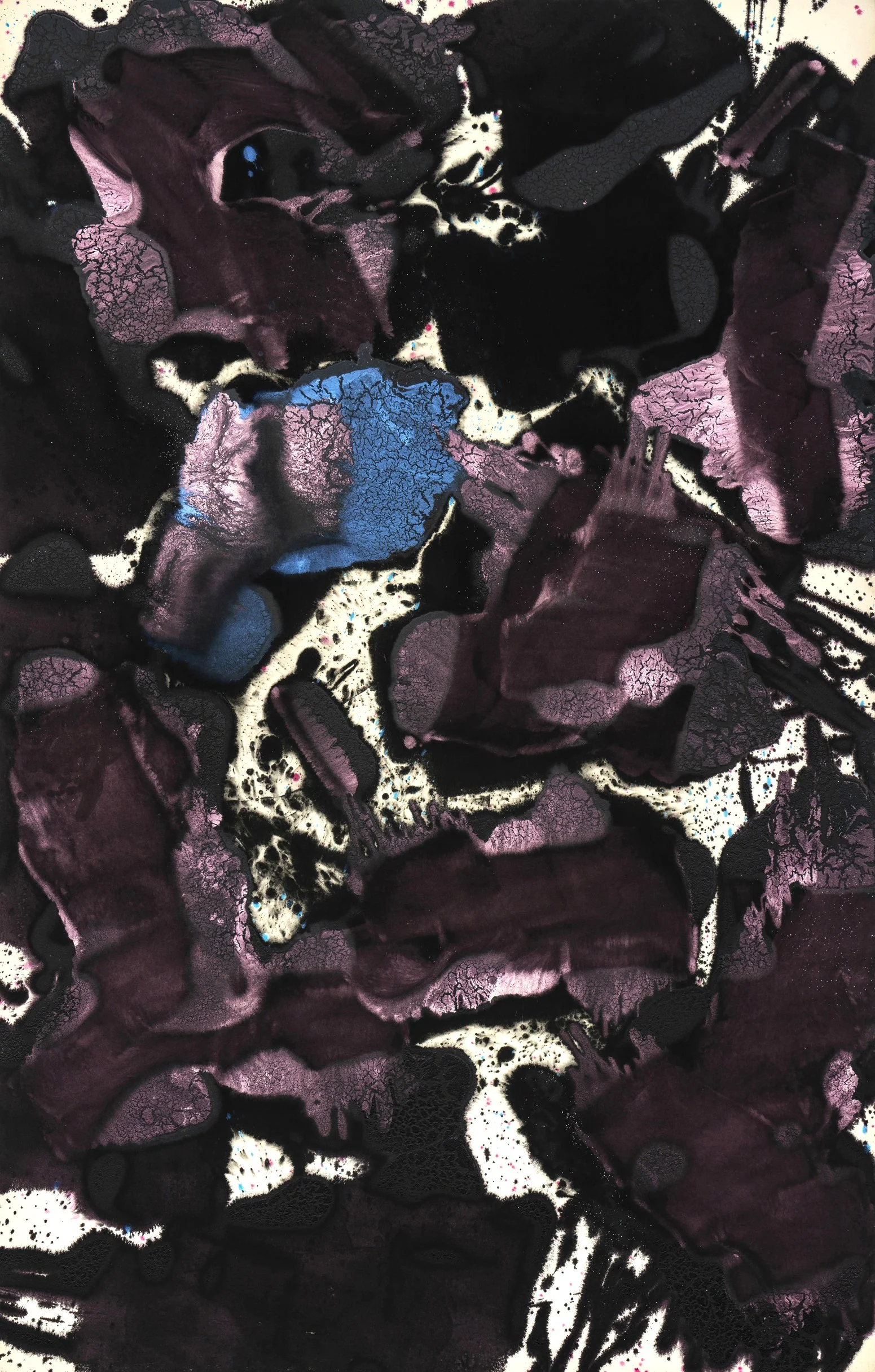
Redyps, 2002, acrylic on canvas, 90” x 60”
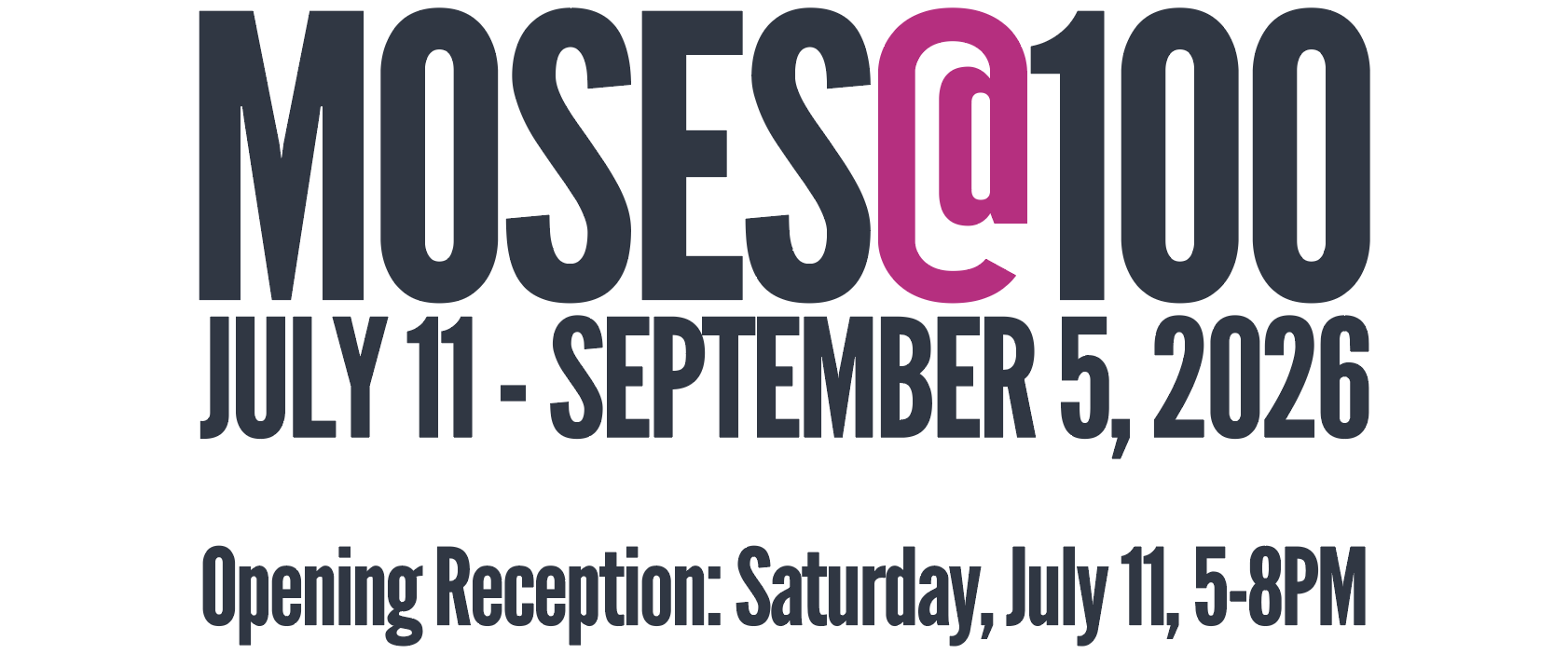
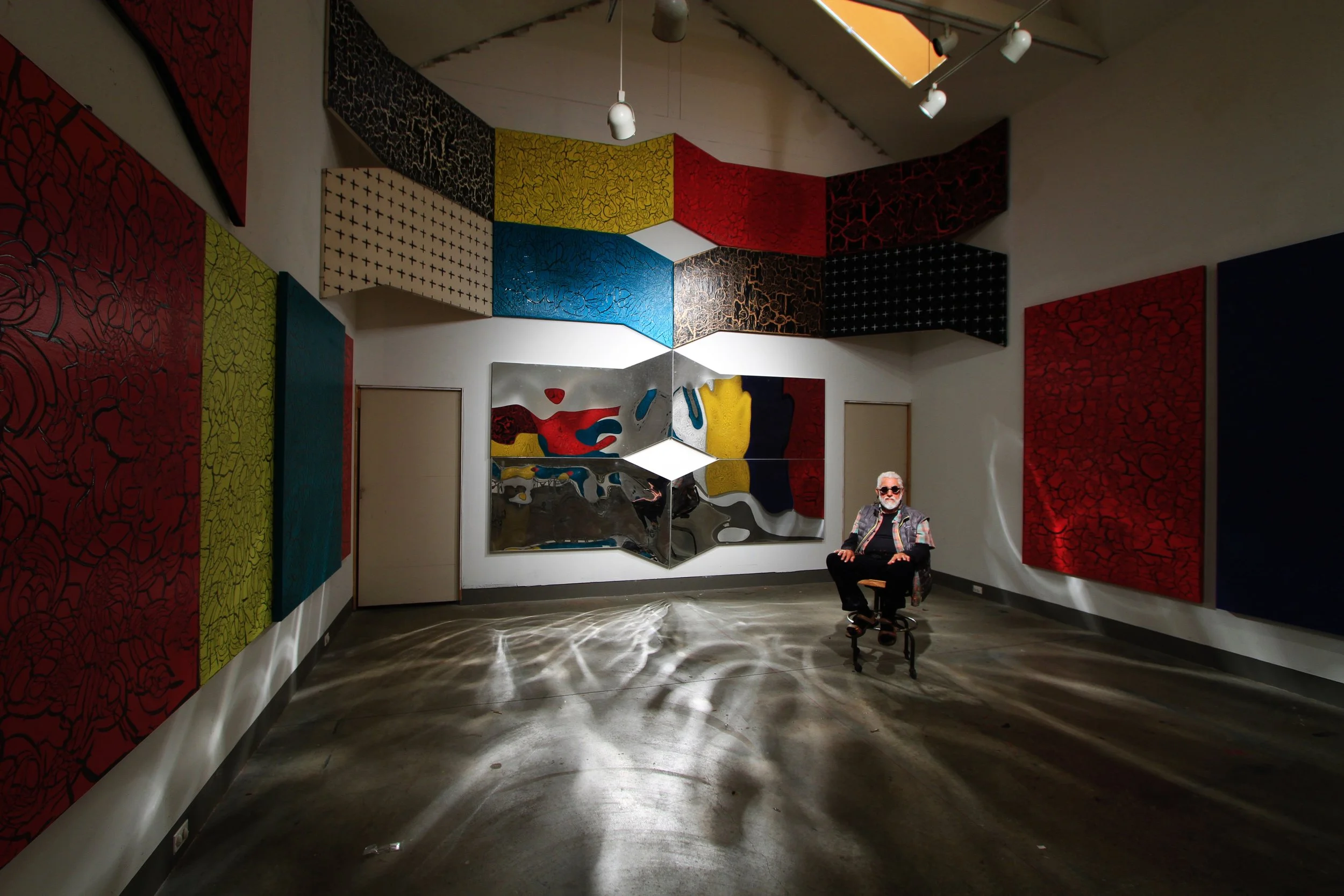
Santa Monica, CA — William Turner Gallery is pleased to present Moses @ 100, an exhibition of works by Ed Moses marking the centennial year of the artist’s birth. Opening Saturday, July 11 from 5–8 PM and on view through September 5, 2026, the exhibition brings together a focused selection of works that underscore the restless experimentation and continual reinvention that defined Moses’ practice for more than six decades.
Moses @ 100 offers an opportunity to reconsider the enduring relevance of a practice rooted in experimentation, intuition, and constant renewal. At a moment when contemporary painting continues to grapple with questions of process, authorship, and materiality, Moses’ work remains strikingly relevant: a testament to an artist who never stopped searching.
Born in Long Beach in 1926, Moses did not initially set out to become an artist. After serving as a surgical technician during World War II, he enrolled in a pre-med program with the intention of becoming a doctor. A chance encounter with painting altered the course of his life. He entered UCLA’s MFA program, where he met Craig Kauffman and was introduced to Walter Hopps, ultimately becoming part of the legendary Ferus Gallery circle. Alongside Robert Irwin, Billy Al Bengston, Ken Price, Ed Ruscha, Larry Bell, John Altoon, Wallace Berman, and Edward Kienholz, Moses helped shape the emerging Los Angeles art scene at a time when virtually no contemporary art infrastructure existed in the city.
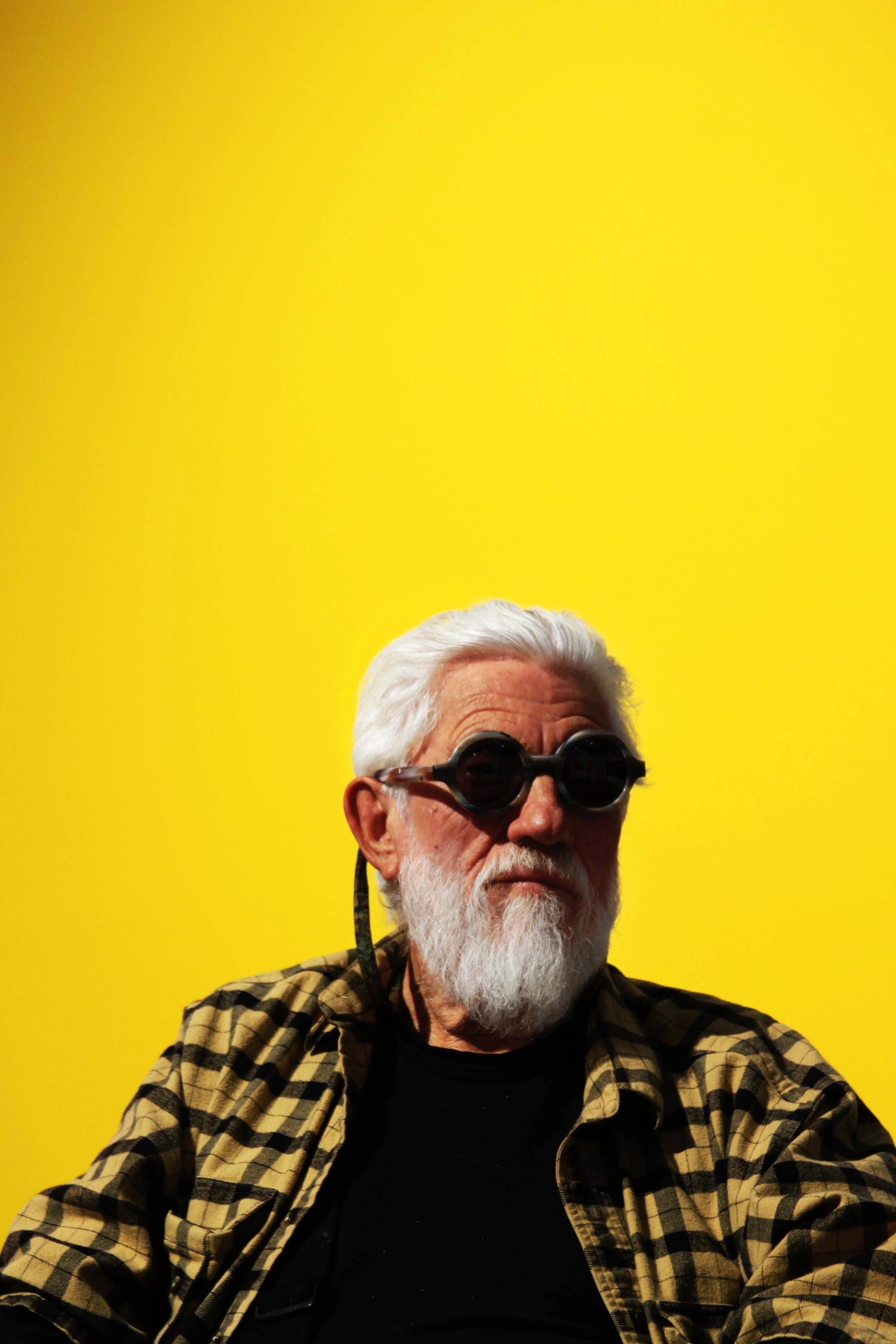
Moses often referred to himself as a “mutator,” driven less by self-expression than by an insatiable curiosity to discover. Never content to remain within a singular visual language, he moved freely between styles and techniques, producing bodies of work that ranged from intense graphite drawings to an astonishing array of painterly styles and visual languages. The titles he gave these series—Roses, Wedges, Grids, Jabberwockys, Edges, Magmas, Waterfalls, Sponges, and Crackles, among many others—offer a glimpse into the restless range of his imagination. His refusal to settle into a recognizable signature style became one of the defining aspects of his legacy.
A Buddhist practitioner since the 1970’s, Moses viewed painting as both a metaphysical and experiential act, remarking that “the point is not to be in control, but to be in tune.” Preferring the descriptions “painter” or “mark maker” to that of “artist,” he believed paintings should be evidence of a journey rather than manifestations of a preconceived idea.
His influence extended well beyond the studio. Architect Frank Gehry, one of Moses’ closest friends, reflected on the artist’s impact: “He opened a lot of doors for me, doors of thinking, to a way of looking at life, of thinking about work and creativity and freedom and expressing oneself—taking chances.”
Moses remained remarkably vital and productive until his death in 2018 at age ninety-one. Even into his nineties, he painted daily in his Venice studio, pursuing the unknown with the same intensity that had defined his earliest years. As Michael Govan observed on the occasion of Moses’ 2015 exhibition at LACMA, “Ed Moses has been central to the history of art making in Los Angeles for more than half a century.”
Moses’ work is included in the collections of the Los Angeles County Museum of Art, Museum of Contemporary Art, Hammer Museum, San Francisco Museum of Modern Art, Whitney Museum of American Art, The Museum of Modern Art, New York, The Broad, The Frederick R. Weisman Art Foundation, and the Norton Simon Museum, among many others.
One hundred years after his birth, Ed Moses remains one of the most original and influential figures in American art. Moses @ 100 celebrates a lifetime devoted to discovery, honoring an artist who embraced uncertainty, resisted complacency, and continually reinvented himself. For more than six decades, Moses pursued the unknown with unwavering intensity—a pursuit that continued until his final days and remains vividly present in the work he left behind.